
Web Design Trends 2026 - #2 - Experimental Navigation: Redefining Exploration in Web Design
Breaking the menu mold
For years, users have relied on familiar patterns — the classic top navigation bar, or the universally recognized hamburger menu. Today, designers are pushing beyond these conventions, crafting navigation experiences that are more intuitive, immersive, and playful.
Experimental navigation is about turning exploration into part of the experience. Interfaces no longer just direct users; they invite them to discover. Non-linear journeys break free from traditional menus. Pages unfold instead of abruptly changing. Visual cues, like road tiles, panels, or signposts, guide users naturally toward content. Movement, interaction, and spatial logic replace static transitions, making each visit feel more participatory and rewarding.
When the journey matters as much as the destination
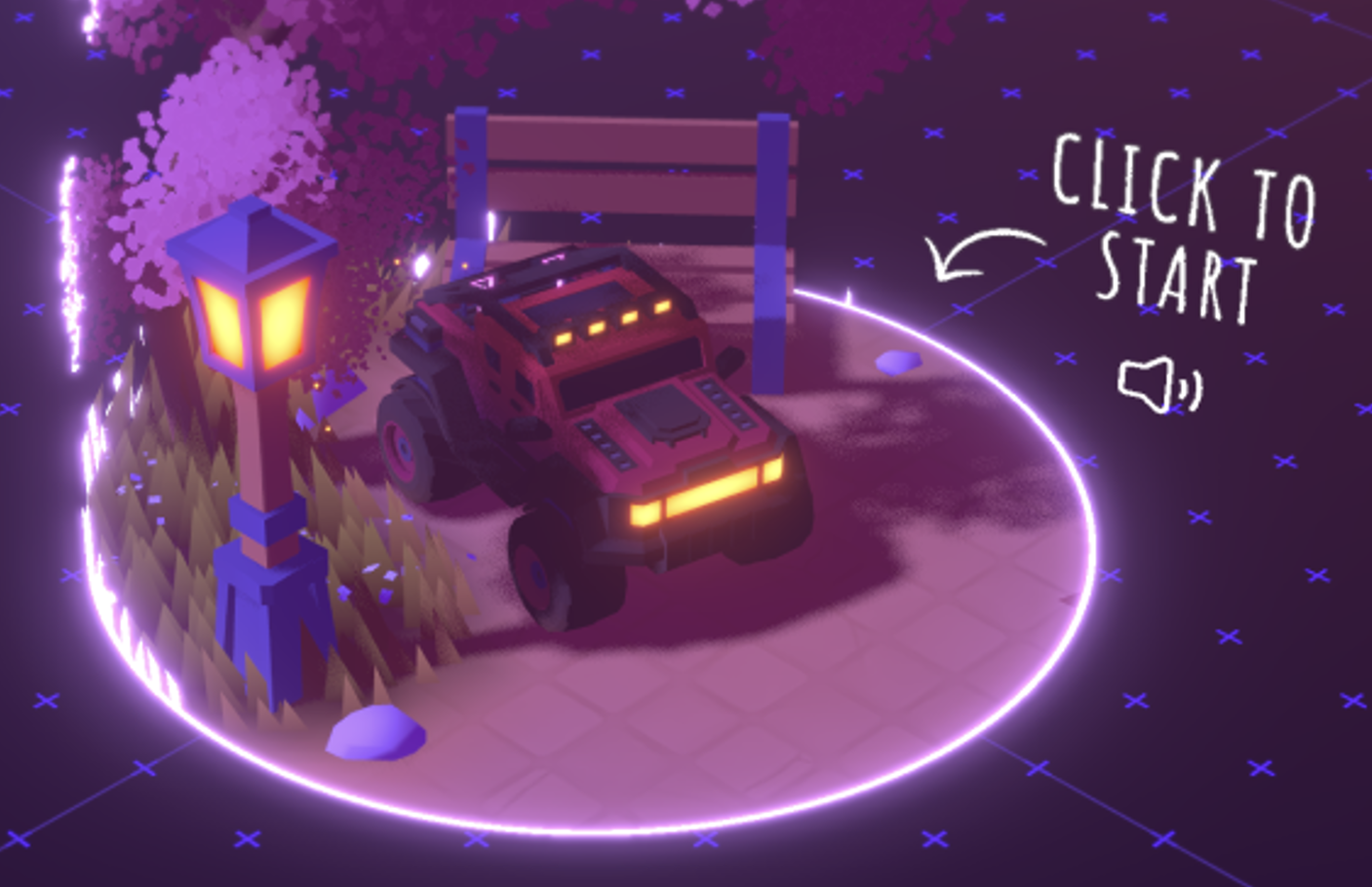
A standout example is Bruno Simon’s portfolio, which abandons traditional navigation entirely in favor of a playable 3D world. Users drive a small car through a low-poly WebGL environment rendered with Three.js. A physics engine makes movement feel realistic — collisions, momentum, and interactions obey the rules of a game. There’s no visible UI — the world itself is the interface — and cues embedded in the environment guide visitors to projects, biography, and contact info. Exploring this site feels like wandering in a playful sandbox: immersive, intuitive, and deeply engaging.
Another compelling example is Canal Street Market, where navigation is almost tactile. Pages reveal themselves like unfolding panels, giving users a sense of continuity as they move through the site. You never feel as though you’re “leaving” one section for another — everything stays visually connected. Users feel like participants, not passive visitors.
Why brands are embracing experimental navigation
Experimental navigation doesn’t just enhance usability — it strengthens storytelling, brand expression, and the emotional connection between users and digital experiences. Playfulness reduces cognitive friction, exploration feels intuitive and rewarding, and visual cues stay clear. When done well, it extends time on site and boosts engagement.
Brands want emotion, memorability, and immersion. Designers are answering the call by creating interfaces that are alive, responsive, and exploratory. In doing so, the web experience becomes part of the story, not just a vehicle for content.
When it works (and when it doesn’t)
Experimental navigation works when:
- Interfaces guide discovery without overwhelming.
- Movement, physics, or interactions feel intuitive.
- Visual cues keep orientation clear.
- The journey complements storytelling and brand messaging.
It fails when:
- Users feel lost instead of curious.
- Clarity and hierarchy are sacrificed.
- Exploration becomes friction, not engagement.
Experiment — with intention
The best experimental navigation projects are deliberate, not reckless. Designers:
- Break one pattern at a time.
- Anchor interactions to clear content goals.
- Test playful navigation in low-risk areas first.
- Maintain a logical path, even if unconventional.
Experimental navigation isn’t about rejecting usability — it’s about rethinking how we invite people to explore the web.
The takeaway
The future of web design lies not just in what we build, but how we guide users to experience it. In 2026, the most compelling sites may not be the most predictable — they may be the most explorative, immersive, and human.